I have been out of industrial activity after completing my graduation for about 2 years, then RVS Quality Certifications Pvt Ltd has changed my outlook on my career. Adopting a course in NDT has helped me launch my career.
What Factors Affect Building Structural Stability in Modern Buildings
- By: Admin
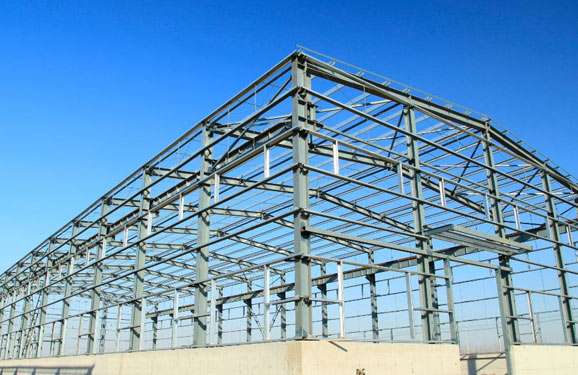
When you look at a towering skyscraper or a sleek modern office complex, it’s easy to get caught up in the shimmering glass and the bold aesthetics. But the real magic is actually happening behind the scenes; it's the silent, invisible engineering that keeps that massive weight from crumbling. Building Structural Stability acts as the skeleton of any project, making sure every beam, bolt, and joint can handle the relentless pressure of gravity, the push of the wind, and the slow grind of time. In this post, let’s peel back the layers of our modern skylines to see what really keeps these giants standing firm for decades.
Starting Beneath the Boots
If you don't get the ground right, nothing else matters. You could use the most expensive steel on the planet, but if the soil is shifty or the foundation is shallow, you're just building a very expensive leaning tower. Modern crews spend an incredible amount of time on geotechnical analysis before a single brick is laid. Groundwater levels have to be watched like a hawk because hidden moisture can turn solid ground into a sliding mess over time.
- Engineers frequently use soil stabilisation techniques to transform "difficult" terrain into a rock-solid base for massive vertical loads.
- The specific makeup of the soil dictates whether you need a deep pile foundation or a simple concrete slab to avoid uneven settling.
Finding Flaws Before They Find Us
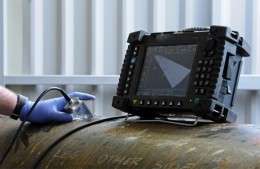
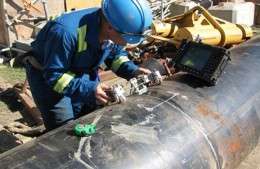
The integrity of a massive structure is often decided by a single weld or a hidden hairline crack. This is where we stop guessing and start using high-tech "X-ray vision." To assure every steel connection is flawless, teams often rely on Phased Array Ultrasonic Testing, like the one from RVS Quality Certifications Pvt. Ltd. This tech uses multiple ultrasonic elements to look deep inside the metal without damaging a single fiber. The system creates a three-dimensional view of the internal structure which identifies minor defects that traditional techniques would miss. Catching these hiccups during the build phase is what prevents a disaster ten years down the road.
Why a Second Pair of Eyes Matters
Even with the best tools, humans can make mistakes, it's just part of the job. That’s why bringing in Third-Party Inspection Services is a total game-changer for safety. These folks aren't there to just check boxes or slow things down; they offer an unbiased perspective that the internal team might miss. They verify that materials actually meet international standards and assure the blueprints are being followed to the letter. This extra layer of accountability is what separates a building that "works" from one that truly lasts.
Managing the Building's "Internal Organs"
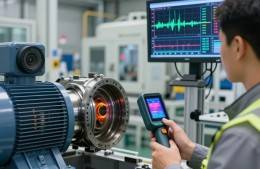
Modern buildings aren't just dead piles of stone; they’re more like living, breathing machines. They have HVAC systems, elevators, and pumps that never stop moving. If the mechanical "heart" of a building starts failing, it can generate vibrations or stresses that actually mess with the structure. To keep things running smoothly, Condition Monitoring Services have become essential. By using smart sensors to track heat and noise, engineers can tell when a part is getting tired long before it actually snaps.
- Predictive maintenance keeps the building's frame from feeling the "jolt" of a sudden mechanical failure.
- Real-time data lets managers tweak energy use while keeping the structural load balanced and safe.
- Keeping a close eye on equipment avoids expensive emergency repairs and keeps the residents happy.
Rolling with Nature’s Punches
A common misconception is that a stable building should be perfectly rigid. In reality, it needs to be flexible. Whether it’s a skyscraper swaying in a gale or materials expanding in the summer sun, a building has to "breathe." Structural stability is actually about having the right amount of "give." Modern designs use massive dampers, essentially giant shock absorbers, to soak up energy from wind or tremors so the building doesn't have to.
The Future of Resilience
Striking a balance between ambitious design and absolute safety is an ongoing journey. As our cities get more crowded and our designs get more daring, the mix of smart tech and tough oversight will always be the gold standard. When we take care of both the "bones" and the mechanical soul of a structure, we create places that don't just stand tall today but become landmarks for our grandkids. Building for the future is really just about respecting the physics of right now.
Testimonials

Aniket Singh
RVS is the absolute best value to learn Aerospace NDT Training Course to nurture my skills. I am completely satisfied with how affordable the service they provide. Thanks RVS Team for constant support.

Roshan Kumar
I would like to thank RVS for their time and patience in helping me learn and grow with my NDT courses. I was able to work and learn at the same time, with no pressure. I would recommend RVS to anyone seeking to work and take courses at the same time. I accomplished the course and today I'm a Certified PCN Level II UT engineer.

Himanshu
RVS helped our new hires to acquire the comprehensive training they need, as well as for refresher courses for our current employees. This has worked well for us in obtaining the necessary NDT certifications.

Surya Rajput Rana
Just a few lines to express my gratitude for your outstanding service over the past year. We would have no issue in referring to your organisation because of your customer devotion and professionalism.

Akshat Jaiswal
Frequently Asked Questions
NDT is employed in a wide range of industries, including oil and gas, aerospace, energy, power, nuclear, and transportation, with nearly endless career opportunities. A job in NDT is extremely dynamic, and ongoing training is required.
One of the advantages of a four-year NDT programme is that students can study in a more focused and instructive manner. For graduates, this offers up a plethora of new NDT employment options, including quality assurance, management, engineering design, research, NDT training, and teaching.
Non-Destructive Testing (NDT) Training Courses - Levels 1, 2 and 3.
The PCN (Personnel Certification in Non-Destructive Testing) is a programme that meets the BS EN ISO 9712 requirements for NDT technicians and supervisors. It is founded in the United Kingdom, but it has an impact on a number of countries in the European Union.
© 2026 RVS Quality Certifications Pvt Ltd. All Rights Reserved.