I have been out of industrial activity after completing my graduation for about 2 years, then RVS Quality Certifications Pvt Ltd has changed my outlook on my career. Adopting a course in NDT has helped me launch my career.
Smart Construction Techniques for Better Building Structural Stability
- By: Admin
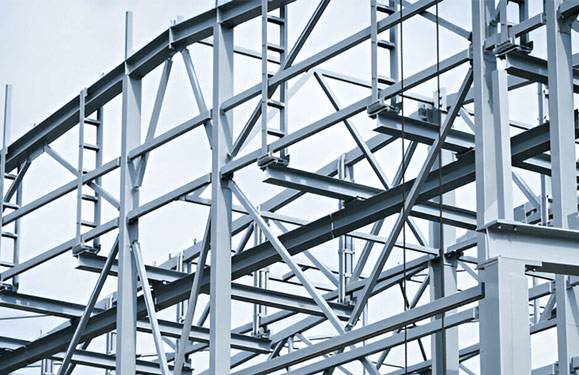
Walk past any construction site and you'll see the obvious stuff cranes, concrete mixers, workers in sturdy hats. What you won't see is the thinking that goes into every structural decision we make on that site. Building Structural Stability is not a single decision made on a blueprint it's the result of dozens of smart choices stacked on top of each other offered by experienced firms like RVS Quality Certifications Pvt. Ltd.
It Starts with the Right Foundation—Literally
No amount of clever engineering above the ground can compensate for a poorly conceived foundation. Today, engineers rely on detailed soil investigation reports before they dig a single column footing. Understanding the load-bearing capacity of the ground, the depth of the water table and how the soil behaves under stress gives the structural team a realistic picture of what the building is sitting on.
Smart foundation practices that make a real difference:
- Conducting thorough geotechnical surveys before finalising the foundation type.
- Choosing between raft, pile or isolated footings based on actual soil data, not assumptions.
- Installing proper waterproofing layers to prevent moisture-induced deterioration over time.
- Monitoring settlement behaviour during the early months after construction has begun.
Skipping any of these steps to save time or money almost always shows up later and usually in ways that are far pricier to fix.
Reinforcement Done Right
Concrete is strong under compression. Steel is strong under tension. Together, they form one of the most reliable structural combinations ever developed. A common mistake on fast-tracked construction projects is allowing cover depth to fall short sometimes by just a few millimeters. Over years of exposure to moisture and air, the steel inside begins to rust and expand, eventually causing the concrete to crack and spall. What starts as a surface issue becomes a structural one. Proper bar spacing, adequate lap lengths and consistent cover blocks are not optional refinements they're structural necessities.
Testing What the Eye Can't See
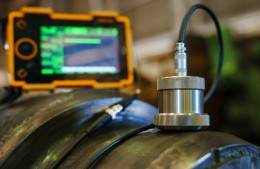
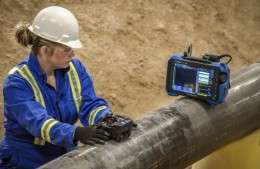
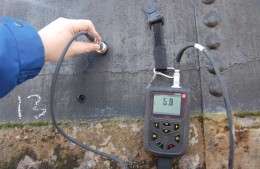
Here's the uncomfortable truth about construction defects: most of them are invisible. A weld that looks clean on the outside can have porosity running through its core. A concrete column can have voids inside it that no surface inspection would ever catch. This is precisely why Non Destructive Testing Services have become an essential part of serious construction quality programs.
NDT doesn't interfere with the structure being tested. It looks inside using ultrasound, radiography, magnetic particle testing, or other techniques and brings back information that allows engineers to make informed decisions before problems escalate. Situations where NDT adds critical value in construction:
- Checking weld integrity in structural steel connections and load-bearing joints.
- Evaluating concrete density and detecting internal voids after casting.
- Assessing rebar corrosion levels in older structures undergoing renovation.
- Testing anchor bolts and embedded fasteners without dismantling surrounding material.
Smart Use of Modern Construction Materials
Beyond traditional concrete and steel, the construction industry now has access to materials and admixtures that genuinely improve structural performance. High-performance concrete, fiber-reinforced composites and corrosion-resistant coatings have all found their place in projects where long-term durability is a priority. Using them intelligently based on what the structure actually demands separates smart construction from just expensive construction.
Why Independent Verification Matters
Contractors want to finish on time. Developers want to stay on budget. That's where Third-Party Inspection Services, conducted by independent professionals like RVS Quality Certifications Pvt. Ltd., provide real value.
A third-party inspector has no stake in the project's schedule or cost. Their only job is to verify that what they built matches what they specified. This independence is precisely what gives their reports weight in front of clients, regulators, and insurers alike. What a thorough third-party inspection typically covers:
- Material testing and verification of supplier certificates at the point of delivery.
- Structural concrete sampling and cube testing at regular casting intervals.
- Dimensional checks on structural members against approved shop drawings.
Having an independent eye on these stages doesn't slow a project down. It protects everyone involved from costly disputes and dangerous surprises later.
The Bigger Picture
Smart construction is not about using the most expensive materials or hiring the largest contractor. It's about making deliberate, informed decisions at every stage from soil testing to final inspection and being willing to do things properly even when the shortcut is tempting. Buildings that stand for generations aren't accidents. They're the result of a quality mindset applied consistently from the ground up.
Testimonials

Aniket Singh
RVS is the absolute best value to learn Aerospace NDT Training Course to nurture my skills. I am completely satisfied with how affordable the service they provide. Thanks RVS Team for constant support.

Roshan Kumar
I would like to thank RVS for their time and patience in helping me learn and grow with my NDT courses. I was able to work and learn at the same time, with no pressure. I would recommend RVS to anyone seeking to work and take courses at the same time. I accomplished the course and today I'm a Certified PCN Level II UT engineer.

Himanshu
RVS helped our new hires to acquire the comprehensive training they need, as well as for refresher courses for our current employees. This has worked well for us in obtaining the necessary NDT certifications.

Surya Rajput Rana
Just a few lines to express my gratitude for your outstanding service over the past year. We would have no issue in referring to your organisation because of your customer devotion and professionalism.

Akshat Jaiswal
Frequently Asked Questions
NDT is employed in a wide range of industries, including oil and gas, aerospace, energy, power, nuclear, and transportation, with nearly endless career opportunities. A job in NDT is extremely dynamic, and ongoing training is required.
One of the advantages of a four-year NDT programme is that students can study in a more focused and instructive manner. For graduates, this offers up a plethora of new NDT employment options, including quality assurance, management, engineering design, research, NDT training, and teaching.
Non-Destructive Testing (NDT) Training Courses - Levels 1, 2 and 3.
The PCN (Personnel Certification in Non-Destructive Testing) is a programme that meets the BS EN ISO 9712 requirements for NDT technicians and supervisors. It is founded in the United Kingdom, but it has an impact on a number of countries in the European Union.
© 2026 RVS Quality Certifications Pvt Ltd. All Rights Reserved.