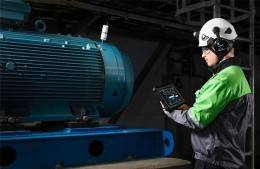
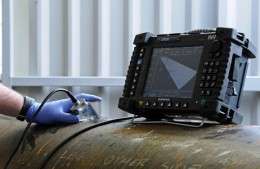

I have been out of industrial activity after completing my graduation for about 2 years, then RVS Quality Certifications Pvt Ltd has changed my outlook on my career. Adopting a course in NDT has helped me launch my career.
How Can Expert Building Structural Stability Services Secure Your Next Real Estate Investment
- By: Admin
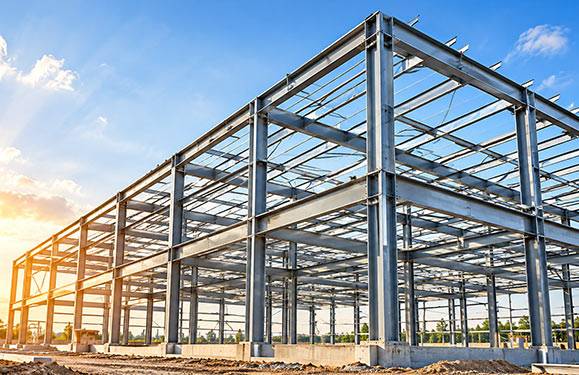
Walk into any commercial building or residential complex up for sale, and everything usually looks flawless on the surface. Property owners know how to stage a space: they patch over drywall cracks, apply fresh coats of paint, polish the marble floors, and leave you with the distinct impression that the property is completely turnkey. But cosmetic touch-ups often hide serious, deep-seated defects that cost a fortune to repair down the road. Before signing a sale deed or transferring earnest money, bringing in certified Building Structural Stability Services gives you an unvarnished look at what is actually holding the building upright. Without that technical baseline, you are essentially gambling with your hard-earned capital.
Why Standard Walkthroughs Miss the Point
Most property buyers depend on an appraiser or a local builder who walks through the space with a clipboard for an hour. They check plumbing lines, electrical panels, window caulking, and the visible surface of the roof. Those checks have practical value, but they tell you virtually nothing about what is happening inside the concrete columns or deep below the basement slab. Hairline fractures often look like harmless plaster settling to an untrained eye, but they can easily signal differential foundation settlement or overloaded shear walls. By the time those fractures spread and interior doors stop closing cleanly, fixing the problem requires expensive underpinning and structural retrofitting that completely destroys your projected rental yields.
The Ground Reality Across Fast-Growing Cities
Soil conditions and rapid construction timelines across major Indian business hubs make these pre-purchase evaluations even more critical. In rapidly expanding urban corridors, multi-story buildings frequently go up in record time, sometimes on backfilled plots, black cotton soil, or reclaimed terrain prone to ground shifts. Operating directly out of Hyderabad, our technical team at RVS Quality Certifications Pvt. Ltd. regularly inspects properties where poor concrete curing practices and cheap aggregates caused internal carbonation within less than a decade. Identifying these subsurface problems before the property legally changes hands is the only reliable way an investor avoids inheriting an expensive structural headache.
What Modern Diagnostic Audits Actually Inspect
A proper engineering assessment never relies on guesswork; it runs precise, non-destructive tests directly on the primary load-bearing elements. Here is what an experienced structural team evaluates during a detailed site inspection:
- Concrete Compressive Strength: Using rebound hammers and ultrasonic pulse velocity equipment to gauge concrete density without chipping away structural framing.
- Rebar Corrosion Levels: Detecting hidden moisture penetration, steel rebar oxidation, and internal concrete delamination beneath the outer plaster.
- Foundation and Subsoil Health: Scanning for signs of localized ground subsidence, basement water intrusion, and shifting foundation joints.
- Load Distribution Balance: Calculating whether existing beams and columns can safely support future renovations, heavy machinery, or additional floors.
Benchmarks Borrowed From Global Markets
International property markets have treated these engineering audits as mandatory closing requirements for decades. Institutional funds that routinely manage assets across the Gulf region know this playbook well; operations relying on Building Structural Stability Testing Services in UAE understand how harsh heat, salty air, and rapid development cycles demand rigorous non-destructive verification before commercial leases are signed. Bringing those exact testing standards to domestic real estate deals ensures that Indian property owners are not operating under blind assumptions about their structural assets.
Turning Inspection Reports Into Real Financial Leverage
A detailed structural report is not just a technical safety document; it serves as a powerful negotiating tool. When an assessment flags corroded rebar on an exterior balcony or reveals that basement pillars have lost compressive strength, you have verifiable data in hand. You can sit down with the seller and demand an immediate reduction in the purchase price to cover remediation costs, or require them to complete structural retrofitting before releasing the balance. If the structural damage is catastrophic, walking away costs you only the inspection fee while saving you millions in unrecoverable losses.
Protecting Your Asset From Regulatory Headaches
Municipal corporations, industrial safety boards, and commercial licensing bodies have grown significantly stricter regarding fire codes, load limits, and occupancy stability certifications. If you purchase an older commercial warehouse or an industrial facility without verified stability documentation, local authorities can halt your commercial operations until an independent safety audit is submitted. Scheduling professional Building Structural Stability Services before finalizing the transaction keeps you ahead of regulatory scrutiny and protects your commercial leases from unexpected shutdown orders.
Protecting Your Long-Term Capital
Real estate remains one of the largest financial commitments anyone makes, whether for personal wealth building or corporate expansion. Counting on visual appearances or verbal assurances from a seller's broker is an easy way to inherit deferred maintenance that destroys your valuation. Treating structural stability as a mandatory upfront requirement gives you clarity, protects your building occupants, and preserves your exit value when it comes time to sell down the line.
Testimonials

Aniket Singh
RVS is the absolute best value to learn Aerospace NDT Training Course to nurture my skills. I am completely satisfied with how affordable the service they provide. Thanks RVS Team for constant support.

Roshan Kumar
I would like to thank RVS for their time and patience in helping me learn and grow with my NDT courses. I was able to work and learn at the same time, with no pressure. I would recommend RVS to anyone seeking to work and take courses at the same time. I accomplished the course and today I'm a Certified PCN Level II UT engineer.

Himanshu
RVS helped our new hires to acquire the comprehensive training they need, as well as for refresher courses for our current employees. This has worked well for us in obtaining the necessary NDT certifications.

Surya Rajput Rana
Just a few lines to express my gratitude for your outstanding service over the past year. We would have no issue in referring to your organisation because of your customer devotion and professionalism.

Akshat Jaiswal
Frequently Asked Questions
NDT is employed in a wide range of industries, including oil and gas, aerospace, energy, power, nuclear, and transportation, with nearly endless career opportunities. A job in NDT is extremely dynamic, and ongoing training is required.
One of the advantages of a four-year NDT programme is that students can study in a more focused and instructive manner. For graduates, this offers up a plethora of new NDT employment options, including quality assurance, management, engineering design, research, NDT training, and teaching.
Non-Destructive Testing (NDT) Training Courses - Levels 1, 2 and 3.
The PCN (Personnel Certification in Non-Destructive Testing) is a programme that meets the BS EN ISO 9712 requirements for NDT technicians and supervisors. It is founded in the United Kingdom, but it has an impact on a number of countries in the European Union.
© 2026 RVS Quality Certifications Pvt Ltd. All Rights Reserved.